
Short answer: 300 grams of protein is possible, but you need to stop improvising every meal.
I use a few foods that are easy to measure, keep the house stocked, and decide the day before how I am going to hit the number.
Build the day with protein anchors
Do not start by designing six perfect meals. Pick foods you can measure and repeat.
I call these protein anchors. Greek yogurt, cooked egg whites, whey, lean meat, cottage cheese, and ready-to-drink shakes all work. The point is that you know the number before you eat it.
Check the current package label. Brands change serving sizes and formulas.
| Protein anchor | Protein | Calories | Why it works |
|---|---|---|---|
| Ready-to-drink protein shake | 30g | Varies by label | No blender or cleanup. |
| Greek yogurt, 0% | 30-40g | Varies by portion | Easy to measure and mix with whey. |
| Liquid egg whites | 20-50g | Varies by portion | Cook them with frozen vegetables. |
| Whey protein | 25-50g | Varies by serving | Useful when the food total comes up short. |
| Jerky or lean meat snack | 20-30g | Varies by label | Portable and ready to eat. |
| Cottage cheese | 25-40g | Varies by portion | Simple no-cook food. |
The numbers in that table are examples. Use your labels and a scale if you want accurate totals.
What a 300 gram protein day can look like
Here is how six meals and snacks can add up to 300 grams of protein. Use your package labels to measure the portions.
| Time | Food | Protein |
|---|---|---|
| First meal | Greek yogurt plus whey | 60g |
| Second meal | Cooked egg whites plus a turkey wrap | 60g |
| Quick anchor | Ready-to-drink protein shake | 30g |
| Main meal | Measured portion of chicken, turkey, lean beef, or fish | 60g |
| Later meal | Cottage cheese plus whey | 55g |
| Snack | Jerky, a bar, or another measured food | 35g |
| Total | 300g |
Again, verify every number. A bigger serving can move the protein total and your calories a lot.
Make a bad-day version before you need it
A plan that needs two hours of cooking is going to break.
I look for shortcuts when meal prep starts taking too long. Frozen vegetables, pre-cooked chicken, microwave rice, and food made in bulk can save the whole week.
A rough 300-gram fallback could look like this:
- Two ready-to-drink shakes: about 60g
- Greek yogurt mixed with whey: about 60g
- Pre-cooked chicken or turkey: about 70g
- Cooked egg whites: about 40g
- Jerky or a protein bar: about 30g
- Cottage cheese plus a smaller whey serving: about 40g
That adds up to roughly 300 grams. It is not how I would want to eat every day, but it shows why backup food matters.
Keep two layers of food in the house
No-cook food
- Ready-to-drink protein shakes
- Protein bars
- Jerky
- Greek yogurt
- Cottage cheese
- Pre-cooked chicken strips
- Tuna packets
This is what you use when the day gets away from you.
Fast meals
- Cooked liquid egg whites with frozen spinach
- Turkey or chicken wraps
- Whey with powdered peanut butter
- Lean ground beef or turkey you already cooked
- High-protein pasta with a meat sauce
Cook normal meals too. The no-cook food is there so one late meeting does not wreck the day.
The exact high-protein foods I keep around
This is the practical part. These are the products I have used to make high-protein eating automatic. I put several of them on Amazon Subscribe & Save so they show up before I run out.
Affiliate disclosure: As an Amazon Associate, I earn from qualifying purchases. If you buy through one of these links, I may receive a commission at no additional cost to you.
Nutrition can vary by flavor, package size, and reformulation. Check the current label before doing your own math.
Quest Protein Bar

Original serving: 20g protein, 190 calories.
I like Birthday Cake and Chocolate Brownie. Microwave one for 10 to 15 seconds and it tastes even better. The protein-to-calorie ratio is not the best on this list, so I use these more like a snack or dessert.
Quest Protein Shake

Original serving: 30g protein, 160 calories.
This is one of the easiest anchors on the list. Grab it, drink it, and move on. No blender and no cleanup.
Quest Protein Chips
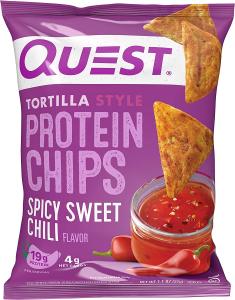
Original serving: 20g protein, 140 calories.
Get the tortilla-style versions. Spicy Sweet Chili and Chili Lime are my favorites. They give you the crunch of regular chips without throwing away the protein target.
Tillamook Zero Sugar Beef Jerky
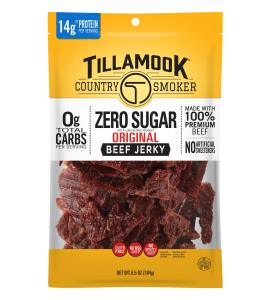
Original two-serving portion: 28g protein, 140 calories.
A lot of jerky is loaded with sugar. This one gives you a strong protein-to-calorie ratio and takes no preparation.
The Only Bean Dry Roasted Edamame
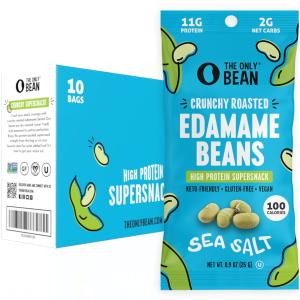
Original serving: 11g protein, 100 calories.
This adds variety and works as an easy grab-and-go snack when you do not want another shake or bar.
Legendary Foods Tasty Pastry
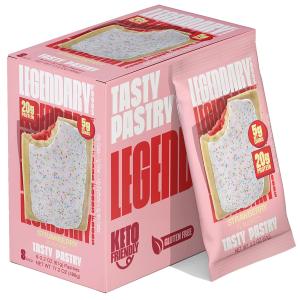
Original serving: 20g protein, 180 calories.
This is probably my favorite high-protein snack. Chocolate and strawberry are especially good. Eat it cold or warm it lightly. It does not need to be toasted like a regular pastry.
Optimum Nutrition Gold Standard Whey
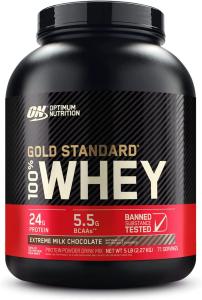
Original two-scoop portion: 48g protein, 240 calories.
Whey is a staple because it makes closing a protein gap easy. I often add powdered peanut butter to the shake for flavor and more protein.
PBfit Peanut Butter Powder
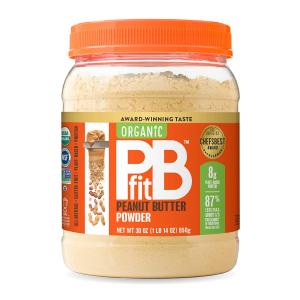
Original two-serving portion: 16g protein, 140 calories.
I use this in shakes, oatmeal, and Greek yogurt. It gives you peanut butter flavor with much better protein-to-calorie math than regular peanut butter.
FAGE Total 0% Greek Yogurt
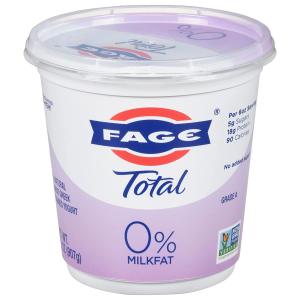
Original large portion: 36g protein, 180 calories.
I add fruit or a zero-calorie flavoring. It also works in place of sour cream on tacos, chili, and other meals.
Liquid Egg Whites
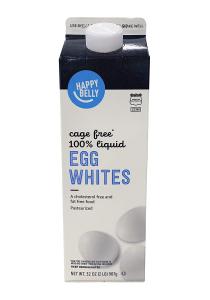
Original portion: 20g protein, 100 calories.
The brand is not important. I cook them with frozen spinach and a little cheese for a fast meal. The FDA says eggs should be cooked thoroughly unless a recipe uses a pasteurized egg product, so follow the product label instead of assuming a carton is ready to drink.
Mission Protein Tortilla Wraps
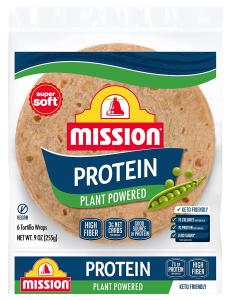
Original serving: 14g protein, 140 calories.
Add turkey, chicken, or lean taco meat and you have an easy high-protein meal without relying on another shake.
Explore Cuisine Edamame Spaghetti
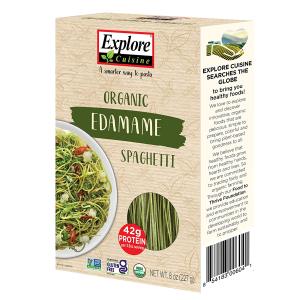
Original large portion: 48g protein, 360 calories.
This gives you a high-protein pasta option with plenty of fiber. Watch the cooking time because it gets soft quickly.
Compare the label, not the marketing
When I am choosing an anchor, I compare protein grams with total calories.
A shake with 30 grams of protein and 160 calories helps this particular target more than a food with 8 grams of protein and 200 calories. That does not make the second food bad. It means I should not count it as one of the main protein anchors.
This is where people fool themselves with peanut butter and nuts. They contain protein, but the label tells you what else comes with it.
Plan tomorrow’s 300 grams today
- Write down the foods and portions you will eat tomorrow.
- Use the package labels to add up 300 grams of protein.
- Split the total across meals and snacks that fit your schedule.
- Stock a few ready-to-eat options so you can fill a gap without extra cooking.
Make the plan repeatable: know what you are eating, have it ready, and track the total.
A simple 7-day protein challenge
Use the next seven days to test the system:
- Plan 300 grams of protein for each day.
- Pick two protein anchors you will keep in the house.
- Write tomorrow’s food plan before bed.
- Write down your score at night: hit or missed.
- If you miss, fix the system the next day. Do not disappear.
Want accountability for this?
Join the Bulldog Mindset community and make this a real weekly promise, not another private plan you can quietly abandon.
Want a quick starting point first? Take the Bulldog Mindset Quiz and identify the standard you need to tighten.
Sources and notes
- FDA egg safety guidance: https://www.fda.gov/food/buy-store-serve-safe-food/what-you-need-know-about-egg-safety